Kothrud
08048128588
+917270019019
Carztotal
About Carztotal - One stop destination for Premium car Accessories

The Best car decor accessories and detailing in kothrud

Products
Featured Products

What We Do

68179d65be22ee500d53ff54 Card 2

product image
Glass Films

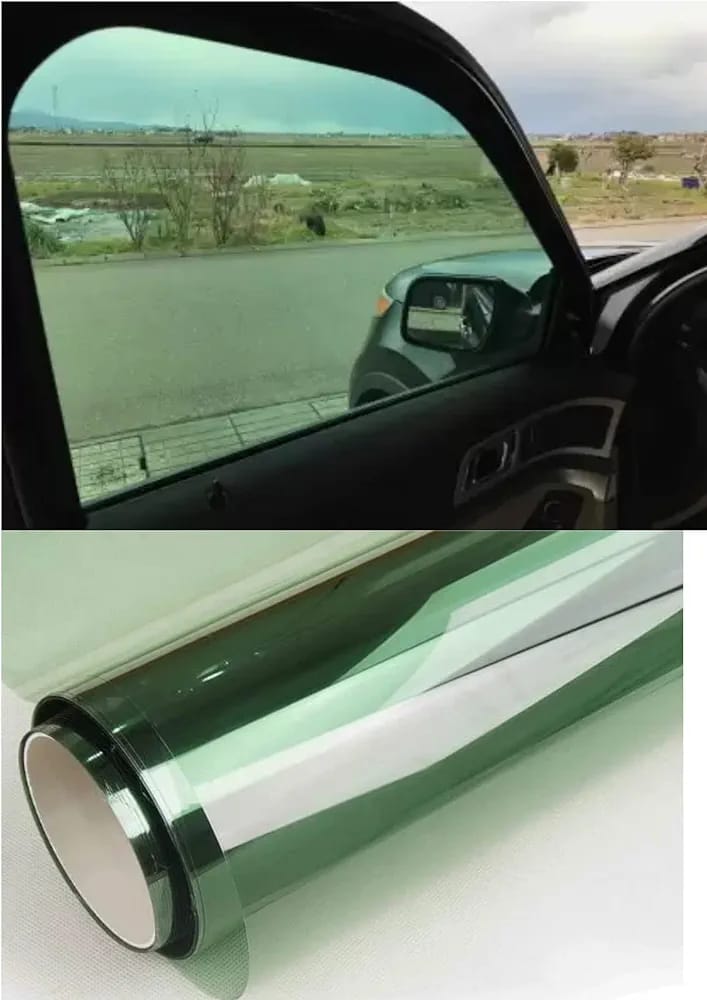
1. Standard Heat and Light Rejection Film Standard heat and light rejection films are designed to reduce the amount of heat and sunlight entering the vehicle, enhancing comfort and protecting the interior. Heat Rejection: Effectively blocks up to 50-60% of solar heat, keeping the interior of the car cooler, especially during hot weather. This reduces the need for excessive air conditioning, leading to improved fuel efficiency. UV Protection: Blocks up to 99% of harmful UV rays, protecting passengers from skin damage and preventing the vehicle's interior from fading, cracking, or deteriorating over time. Glare Reduction: Reduces glare from the sun and headlights, enhancing visibility and driving comfort. This makes driving safer, especially in bright or low-light conditions. Privacy: Provides a level of privacy by darkening the windows, making it difficult for outsiders to see inside the vehicle. The film comes in various shades, allowing users to choose the level of tint that best suits their needs. Material Quality: Made from durable polyester or multi-layered nanotechnology materials that resist bubbling, peeling, and discoloration. The film is scratch-resistant, ensuring longevity and maintaining clarity. Installation: Easy to install with an adhesive backing that bonds securely to the window. It can be applied to all windows of the vehicle, including the windshield, side windows, and rear window, depending on legal regulations. 2. Ceramic Heat and Light Rejection Film Ceramic heat and light rejection films offer advanced technology for superior heat rejection and clarity, making them a premium choice for car owners. Heat Rejection: Provides exceptional heat rejection, blocking up to 80-85% of solar heat. The ceramic particles in the film reflect and absorb heat, keeping the car interior significantly cooler and reducing air conditioning usage. UV Protection: Blocks 99% of harmful UV rays, offering maximum protection against skin damage and interior fading. The film ensures that passengers are safe from the sun’s harmful effects while preserving the car's interior. Glare Reduction: Significantly reduces glare, enhancing visibility and reducing eye strain. The ceramic film is particularly effective in reducing glare without compromising visibility, even at night. Optical Clarity: Unlike traditional tinted films, ceramic films offer superior optical clarity, allowing maximum visibility while still providing heat and UV protection. The film is virtually transparent, making it an ideal choice for those who prefer a clear view. Durability: Constructed from advanced ceramic materials that are highly resistant to fading, bubbling, and peeling. The film is also scratch-resistant and designed to last for years without degrading. Installation: Professional installation is recommended to ensure a perfect fit and optimal performance. The film can be applied to all windows, including the windshield, without affecting visibility. 3. Metalized Heat and Light Rejection Film Metalized heat and light rejection films are designed for those seeking high performance with a reflective appearance. Heat Rejection: Offers high heat rejection by reflecting up to 70-75% of solar heat. The metalized layer effectively reflects sunlight away from the vehicle, keeping the interior cool even in extreme heat. UV Protection: Blocks 99% of UV rays, protecting the vehicle’s occupants and interior from sun damage. This protection helps to maintain the vehicle’s interior condition over time. Reflective Appearance: Provides a reflective, mirror-like finish on the windows, which enhances privacy and gives the car a sleek, modern look. The reflective surface also contributes to the film's heat rejection capabilities. Glare Reduction: Reduces glare from sunlight and headlights, improving visibility and comfort while driving. The film helps reduce eye strain, making it easier to see the road and surroundings. Durability: Made from high-quality metalized materials that resist fading, peeling, and bubbling. The film is designed to be long-lasting and withstands harsh environmental conditions. Installation: Typically requires professional installation to ensure proper adhesion and performance. The film can be applied to most vehicle windows, but the reflective nature may be subject to local tinting laws. 4. Carbon Heat and Light Rejection Film Carbon heat and light rejection films offer a non-metalized option that combines performance with a deep, black finish. Heat Rejection: Provides effective heat rejection by blocking up to 50-60% of solar heat. The carbon particles in the film absorb and dissipate heat, helping to maintain a cooler interior. UV Protection: Blocks 99% of UV rays, protecting passengers and the vehicle’s interior from the harmful effects of the sun. The film ensures long-term protection for both occupants and upholstery.

68179d65be22ee500d53ff54 Card 2

product image
Lamps

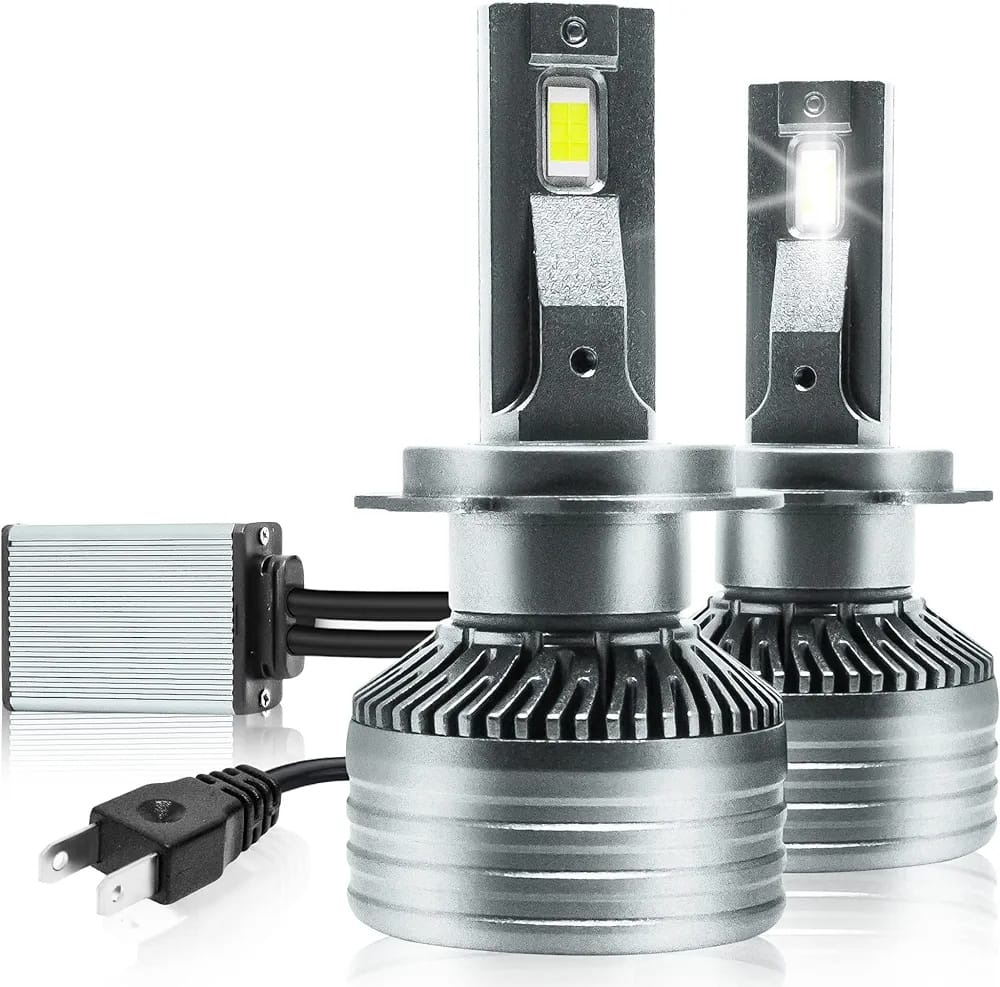
When describing car LED headlamps, it’s important to highlight their advanced lighting technology, performance, design, and benefits over traditional lighting options. Below are detailed descriptions for different types of LED headlamps: 1. Standard LED Headlamps Standard LED headlamps are modern replacements for traditional halogen bulbs, offering improved brightness, efficiency, and longevity. Lighting Performance: LED headlamps provide a bright, crisp light with a color temperature typically ranging from 5000K to 6500K, which closely resembles daylight. This enhances visibility and reduces eye strain during night driving. The light beam is well-defined, with a sharp cutoff line to prevent blinding oncoming traffic. Energy Efficiency: LEDs consume significantly less power compared to halogen bulbs, reducing the load on the vehicle's electrical system and improving fuel efficiency. Design: Compact and durable design that fits into standard headlamp housings. LEDs are often mounted on heat-dissipating structures to prevent overheating and ensure long life. Lifespan: With an average lifespan of up to 30,000 to 50,000 hours, LED headlamps last much longer than traditional halogen bulbs, reducing the need for frequent replacements. Special Features: Instant-on capability with no warm-up time, ensuring full brightness immediately upon activation. Some models may include adjustable beam patterns or compatibility with automatic headlight systems. Materials: Made with high-quality materials, including impact-resistant polycarbonate lenses and durable metal or plastic housings designed to withstand harsh weather conditions. 2. Projector LED Headlamps Projector LED headlamps are designed to focus the light beam more precisely, providing superior road illumination with a sleek, modern look. Lighting Performance: Offers intense brightness with a highly focused beam pattern, ensuring excellent visibility without scattering light. The light is emitted through a projector lens that concentrates it into a sharp, controlled beam with a clear cutoff line. Energy Efficiency: Like other LEDs, projector LEDs are highly energy-efficient, consuming less power while delivering brighter light output. Design: Sleek and modern design, often featuring a distinct lens in a compact housing. The projector lens allows for a more aesthetically pleasing headlamp assembly, often seen in high-end vehicles. Lifespan: Extended lifespan of 30,000 to 50,000 hours, reducing the need for replacements and ensuring consistent performance over time. Special Features: May include adaptive lighting technology that adjusts the beam direction based on steering input, enhancing visibility around curves. Some models also feature automatic leveling systems that maintain the correct beam angle regardless of vehicle load. Materials: Constructed with premium materials, including clear polycarbonate lenses and durable metal or plastic housings. The housing is often sealed to be waterproof and dustproof, ensuring longevity in various driving conditions. 3. LED Matrix Headlamps LED Matrix headlamps are advanced lighting systems that offer adaptive and customizable lighting patterns for enhanced safety and visibility. Lighting Performance: Utilizes multiple LED segments that can be individually controlled to create dynamic lighting patterns. This allows the headlamp to adjust the beam shape and intensity based on driving conditions, such as dimming specific segments to avoid blinding oncoming traffic while maintaining full illumination on other areas. Energy Efficiency: Highly efficient, with the ability to control power distribution to individual LEDs, optimizing energy use while providing optimal lighting. Design: Sleek and futuristic design, often featuring multiple LED segments arranged in a grid or matrix. The design allows for precise control of light distribution and offers a distinctive look that enhances the vehicle’s appearance. Lifespan: Long-lasting LEDs with a lifespan of 30,000 to 50,000 hours, ensuring reliable performance throughout the vehicle's life. Special Features: Includes adaptive driving beam (ADB) technology that automatically adjusts the beam pattern based on road conditions, vehicle speed, and surrounding traffic. Some models may also integrate with vehicle sensors and cameras for enhanced functionality, such as pedestrian detection and cornering lights. Materials: Built with high-quality materials, including advanced optics and durable housings designed to withstand extreme temperatures and weather conditions. 4. Bi-LED Headlamps Bi-LED headlamps combine both low and high beam functions in a single LED unit, offering a versatile and efficient lighting solution. Lighting Performance: Provides a powerful, focused beam for both low and high beam settings, delivering consistent brightness across different driving conditions. The transition between low and high beams is seamless, ensuring no delay or loss of illumination.

68179d65be22ee500d53ff54 Card 2

product image
Camera

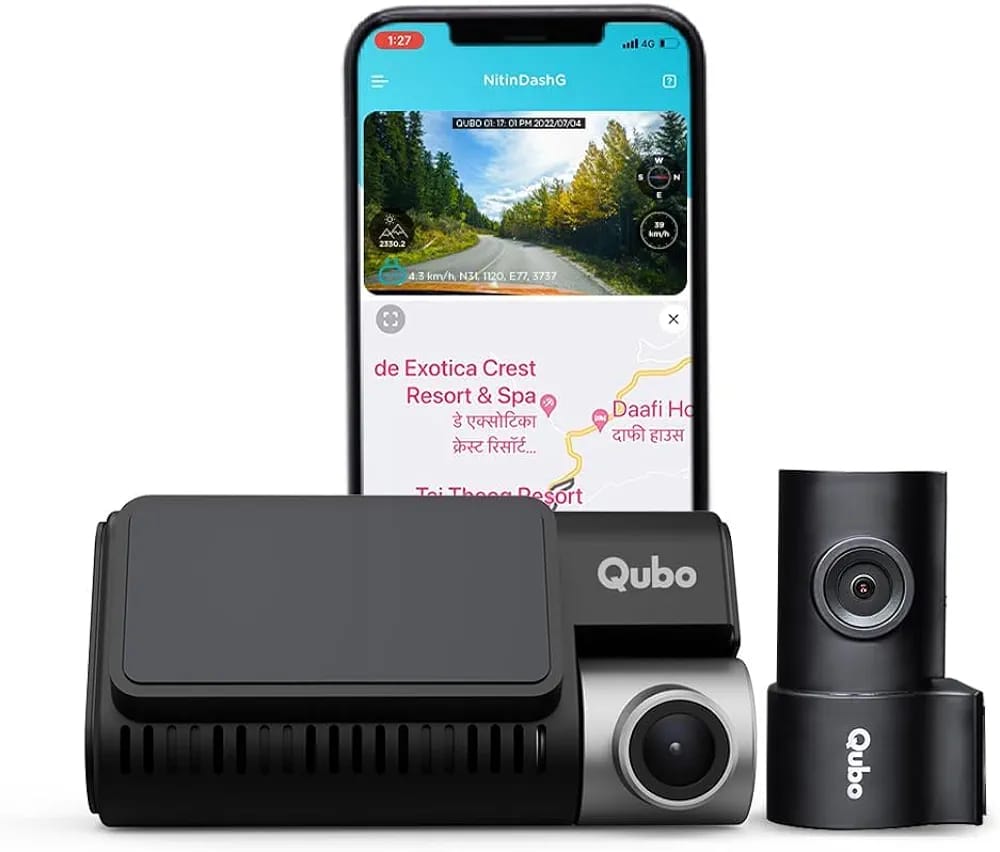
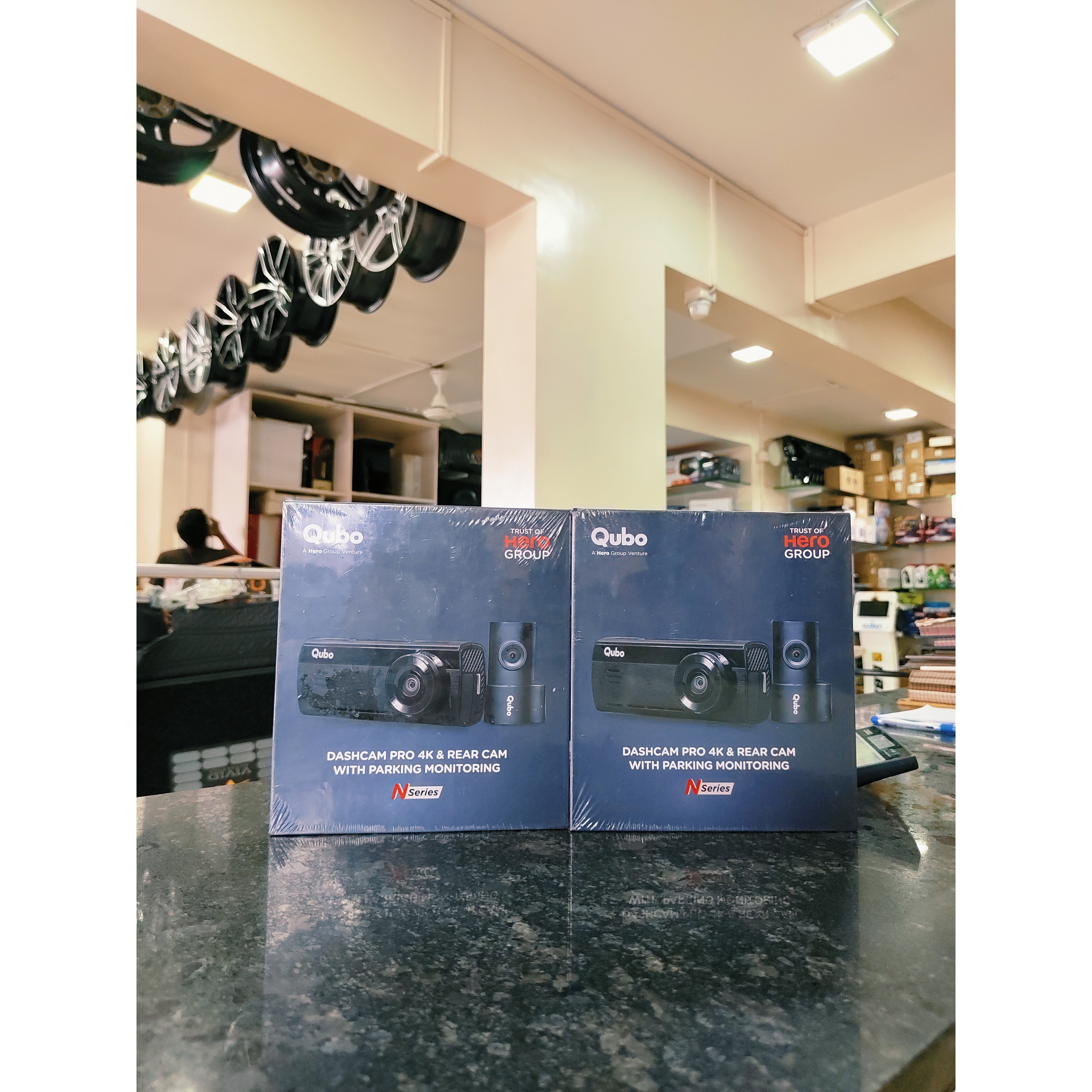
When describing car dash cams, it's important to focus on their recording quality, features, design, and any advanced capabilities that enhance safety and convenience. Below are detailed descriptions for different types of car dash cams: 1. Single-Lens Dash Cam Single-lens dash cams are the most common type, designed to record the road ahead. Recording Quality: Typically records in high definition, with resolutions ranging from 1080p Full HD to 4K Ultra HD. The high resolution ensures clear and detailed video footage, capturing important details like license plates, road signs, and pedestrians. Field of View: Offers a wide-angle lens, usually between 120° to 170°, to cover a broad area of the road ahead, reducing blind spots and capturing the full scene in front of the vehicle. Design: Compact and discreet design that mounts easily on the windshield. Some models are so small they can be hidden behind the rearview mirror, minimizing distraction. Special Features: Includes loop recording, automatically overwriting the oldest footage when the memory card is full. Some models also feature G-sensor technology, which detects collisions and locks the current footage to prevent it from being overwritten. Storage: Uses microSD cards for storage, with support for cards ranging from 32GB to 256GB, depending on the model. Power Supply: Powered via the car’s 12V socket or hardwired into the vehicle’s fuse box for a cleaner installation. 2. Dual-Lens (Front and Rear) Dash Cam Dual-lens dash cams are designed to record both the road ahead and the area behind the vehicle, providing comprehensive coverage. Recording Quality: Typically records in Full HD 1080p or higher for the front camera and 720p to 1080p for the rear camera. Some advanced models may offer 4K resolution for the front lens and 1080p for the rear. Field of View: Wide-angle lenses on both front and rear cameras, covering the entire road and rear traffic. Front cameras generally offer up to 170° coverage, while rear cameras cover around 120° to 140°. Design: Consists of a primary unit for the front camera, with a secondary camera connected via cable for the rear. The rear camera is typically mounted on the rear windshield or bumper. Special Features: Includes features like parking mode, which records footage if motion is detected while the vehicle is parked. Other features include night vision, G-sensor for collision detection, and loop recording. Some models may also include GPS tracking for recording speed and location data. Storage: Supports microSD cards, with some models offering cloud storage options for remote access and backup. Power Supply: Powered through the vehicle’s 12V socket, with some models offering hardwiring kits or external battery packs for uninterrupted power. 3. 360-Degree Dash Cam 360-degree dash cams are designed to capture panoramic video footage, covering all angles around the vehicle. Recording Quality: Records in high definition, often in 1440p Quad HD or higher, with the ability to capture footage from all angles simultaneously. The 360° lens ensures that no blind spots are left uncovered. Field of View: Provides a full 360-degree field of view, capturing everything happening around the car. This is ideal for capturing incidents from all sides, including side collisions or attempts to tamper with the vehicle. Design: Typically features a single camera unit with a fisheye lens, mounted on the windshield or dashboard. Some models may have multiple lenses strategically placed around the vehicle to achieve full coverage. Special Features: Includes advanced features like G-sensor, parking mode, and night vision. Some models offer split-screen viewing, allowing you to view multiple angles simultaneously. GPS tracking and speed monitoring are often included for comprehensive data recording. Storage: Supports high-capacity microSD cards, often up to 256GB or more, to store extensive footage. Some models may offer cloud storage or Wi-Fi connectivity for remote access. Power Supply: Typically powered through the car’s 12V socket, with hardwiring options available for continuous recording. 4. Wi-Fi/Smartphone-Connected Dash Cam Wi-Fi-connected dash cams offer the convenience of accessing and managing footage directly from your smartphone. Recording Quality: Offers high-definition recording, typically 1080p or 1440p, with some models providing 4K resolution. The video quality is sharp and detailed, suitable for reviewing footage on a smartphone. Field of View: Wide-angle lens providing broad road coverage, usually between 140° to 170°. Design: Compact design that can be mounted discreetly on the windshield. The camera often has minimal buttons and relies on smartphone connectivity for controls and settings. Special Features: Includes built-in Wi-Fi, allowing you to connect the dash cam to your smartphone via a dedicated app. This enables real-time viewing, downloading, and sharing of footage.

Have any custom requirements?

Image Gallery

Pictures That Speak