Kothrud
08048128588
+917270019019

lamps

68179d65be22ee500d53ff54 Card 2

product image
Lamps

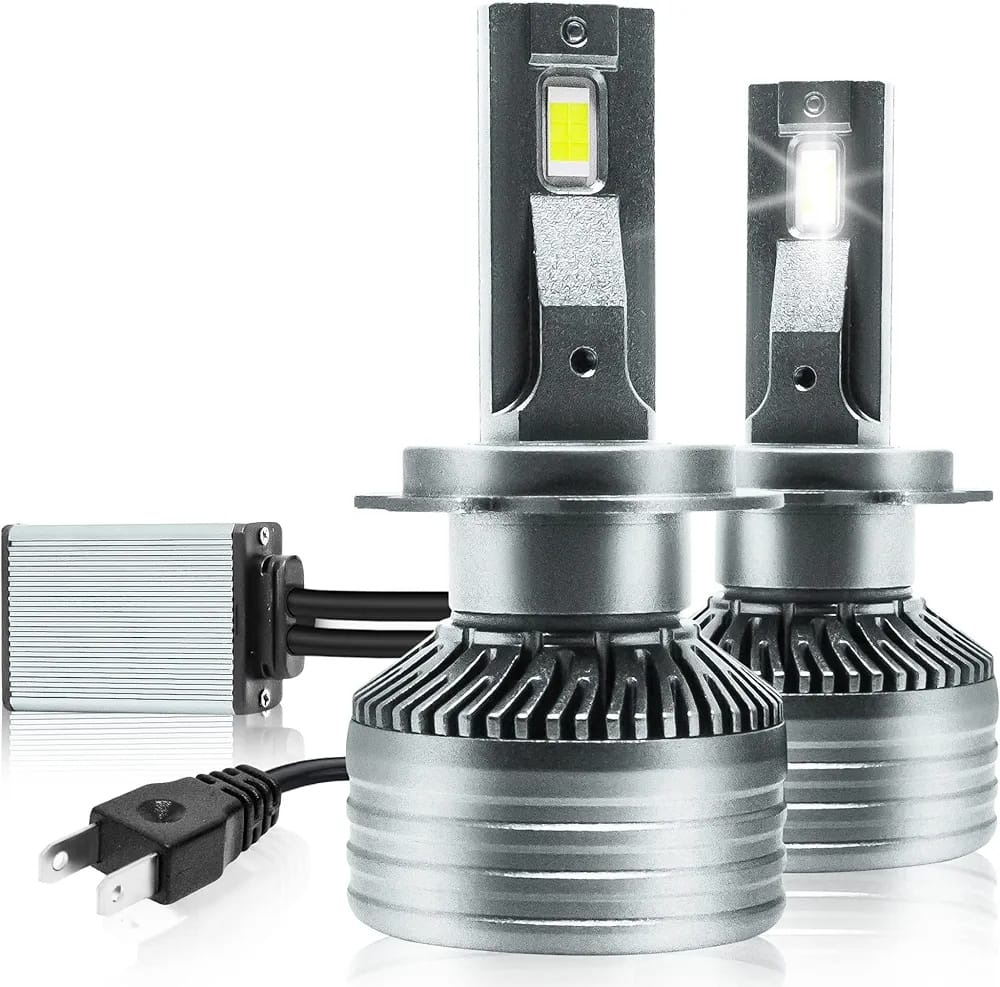
When describing car LED headlamps, it’s important to highlight their advanced lighting technology, performance, design, and benefits over traditional lighting options. Below are detailed descriptions for different types of LED headlamps: 1. Standard LED Headlamps Standard LED headlamps are modern replacements for traditional halogen bulbs, offering improved brightness, efficiency, and longevity. Lighting Performance: LED headlamps provide a bright, crisp light with a color temperature typically ranging from 5000K to 6500K, which closely resembles daylight. This enhances visibility and reduces eye strain during night driving. The light beam is well-defined, with a sharp cutoff line to prevent blinding oncoming traffic. Energy Efficiency: LEDs consume significantly less power compared to halogen bulbs, reducing the load on the vehicle's electrical system and improving fuel efficiency. Design: Compact and durable design that fits into standard headlamp housings. LEDs are often mounted on heat-dissipating structures to prevent overheating and ensure long life. Lifespan: With an average lifespan of up to 30,000 to 50,000 hours, LED headlamps last much longer than traditional halogen bulbs, reducing the need for frequent replacements. Special Features: Instant-on capability with no warm-up time, ensuring full brightness immediately upon activation. Some models may include adjustable beam patterns or compatibility with automatic headlight systems. Materials: Made with high-quality materials, including impact-resistant polycarbonate lenses and durable metal or plastic housings designed to withstand harsh weather conditions. 2. Projector LED Headlamps Projector LED headlamps are designed to focus the light beam more precisely, providing superior road illumination with a sleek, modern look. Lighting Performance: Offers intense brightness with a highly focused beam pattern, ensuring excellent visibility without scattering light. The light is emitted through a projector lens that concentrates it into a sharp, controlled beam with a clear cutoff line. Energy Efficiency: Like other LEDs, projector LEDs are highly energy-efficient, consuming less power while delivering brighter light output. Design: Sleek and modern design, often featuring a distinct lens in a compact housing. The projector lens allows for a more aesthetically pleasing headlamp assembly, often seen in high-end vehicles. Lifespan: Extended lifespan of 30,000 to 50,000 hours, reducing the need for replacements and ensuring consistent performance over time. Special Features: May include adaptive lighting technology that adjusts the beam direction based on steering input, enhancing visibility around curves. Some models also feature automatic leveling systems that maintain the correct beam angle regardless of vehicle load. Materials: Constructed with premium materials, including clear polycarbonate lenses and durable metal or plastic housings. The housing is often sealed to be waterproof and dustproof, ensuring longevity in various driving conditions. 3. LED Matrix Headlamps LED Matrix headlamps are advanced lighting systems that offer adaptive and customizable lighting patterns for enhanced safety and visibility. Lighting Performance: Utilizes multiple LED segments that can be individually controlled to create dynamic lighting patterns. This allows the headlamp to adjust the beam shape and intensity based on driving conditions, such as dimming specific segments to avoid blinding oncoming traffic while maintaining full illumination on other areas. Energy Efficiency: Highly efficient, with the ability to control power distribution to individual LEDs, optimizing energy use while providing optimal lighting. Design: Sleek and futuristic design, often featuring multiple LED segments arranged in a grid or matrix. The design allows for precise control of light distribution and offers a distinctive look that enhances the vehicle’s appearance. Lifespan: Long-lasting LEDs with a lifespan of 30,000 to 50,000 hours, ensuring reliable performance throughout the vehicle's life. Special Features: Includes adaptive driving beam (ADB) technology that automatically adjusts the beam pattern based on road conditions, vehicle speed, and surrounding traffic. Some models may also integrate with vehicle sensors and cameras for enhanced functionality, such as pedestrian detection and cornering lights. Materials: Built with high-quality materials, including advanced optics and durable housings designed to withstand extreme temperatures and weather conditions. 4. Bi-LED Headlamps Bi-LED headlamps combine both low and high beam functions in a single LED unit, offering a versatile and efficient lighting solution. Lighting Performance: Provides a powerful, focused beam for both low and high beam settings, delivering consistent brightness across different driving conditions. The transition between low and high beams is seamless, ensuring no delay or loss of illumination.

68179d65be22ee500d53ff54 Card 2

product image
Lamps

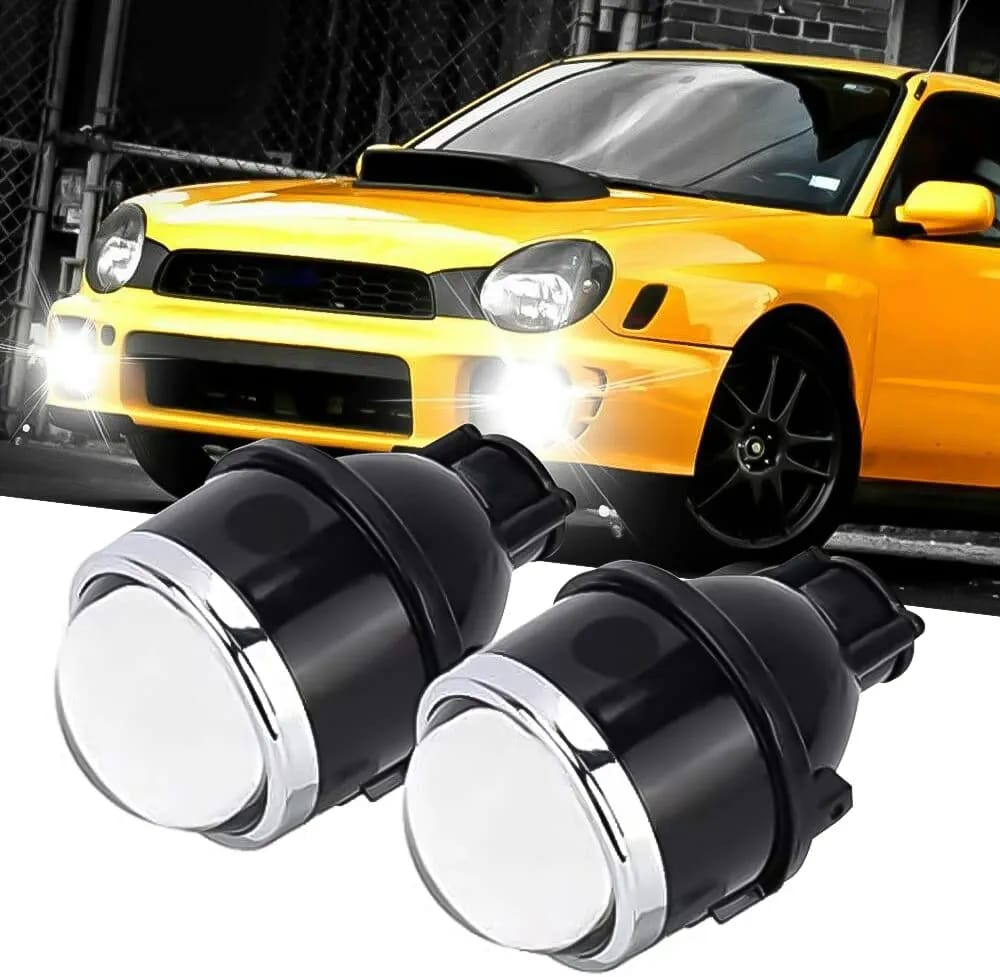
When describing fog lamps, it's important to focus on their functionality, design, light output, materials, and any special features that enhance visibility and safety. Below are detailed descriptions for different types of fog lamps: 1. Halogen Fog Lamps Halogen fog lamps are a traditional and widely-used option, known for their reliability and cost-effectiveness. Functionality: Designed to provide enhanced visibility in foggy, rainy, or snowy conditions by emitting a wide, low beam that cuts through the mist and reduces glare. They are particularly effective at illuminating the road directly in front of the vehicle, improving driver reaction time in adverse weather. Light Output: Halogen bulbs produce a warm yellow light, typically in the 3000K range, which is less reflective off of fog and rain, helping to reduce glare and improve visibility. Design: Usually compact and circular or rectangular in shape, with a durable glass lens and a reflector housing that directs the light beam downward and outward. They often feature an adjustable mounting bracket for easy installation and alignment. Materials: Constructed with high-quality glass lenses and sturdy plastic or metal housings that are resistant to impact and weather conditions. Special Features: Easy to replace bulbs, available in universal or vehicle-specific fitments. Some models may have a built-in daylight running light (DRL) function for added visibility during the day. 2. LED Fog Lamps LED fog lamps are modern, energy-efficient, and offer superior performance with a longer lifespan compared to halogen lamps. Functionality: Provides excellent visibility in poor weather conditions, emitting a focused beam of light that penetrates fog, rain, and snow with minimal reflection or glare. The precise beam pattern reduces the risk of blinding oncoming drivers. Light Output: Produces a bright, white light, typically in the 5000K to 6000K range, which closely resembles daylight and enhances contrast and visibility. LED lights also offer instant-on performance with no warm-up time. Design: Sleek and modern design with compact housings, often featuring multiple small LED chips arranged to create a uniform light output. Some models come with built-in heat sinks to manage temperature and prolong the life of the LEDs. Materials: Made with high-quality, impact-resistant polycarbonate lenses and durable aluminum or plastic housings. The LEDs are often sealed to be waterproof, dustproof, and resistant to vibrations. Special Features: Extremely low power consumption, long lifespan (up to 50,000 hours), and available in various shapes and sizes to fit different vehicles. Some models may include additional features like color-changing LEDs or integrated DRLs. 3. HID (High-Intensity Discharge) Fog Lamps HID fog lamps offer a high-intensity light output that is ideal for extreme weather conditions and off-road driving. Functionality: Provides intense brightness and a focused beam that cuts through dense fog, heavy rain, or snow, offering superior visibility in challenging conditions. The high-intensity light improves the driver's ability to see obstacles and road edges. Light Output: Produces a bright, white light, typically in the 4300K to 6000K range, which is more effective in illuminating the road compared to traditional halogen bulbs. HID bulbs provide a more intense and far-reaching beam. Design: Larger and more robust design compared to halogen and LED lamps, with a ballast and igniter required to power the HID bulbs. The lamps are usually housed in sturdy, weather-resistant enclosures to protect the components from the elements. Materials: Made with tough, shatter-resistant glass lenses and heavy-duty metal or reinforced plastic housings. The ballast is often encased in a sealed unit to protect it from moisture and debris. Special Features: Longer lifespan than halogen bulbs, though typically shorter than LEDs. HID lamps may require a slight warm-up period before reaching full brightness. Available in various color temperatures for different visibility preferences. 4. Projector Fog Lamps Projector fog lamps are designed to focus light more precisely, providing a sharp and controlled beam pattern that enhances visibility without blinding other drivers. Functionality: Delivers a focused, controlled beam of light that is ideal for cutting through fog and minimizing glare. The projector lens directs the light into a defined area, improving visibility directly in front of the vehicle and reducing scatter. Light Output: Can be equipped with halogen, LED, or HID bulbs, depending on the model. The light output is typically bright and well-distributed, with a clear cutoff line to prevent blinding oncoming traffic. Design: Compact and sleek, with a distinctive lens that focuses the light beam. Projector fog lamps are often round or oval, with a clear or slightly tinted lens and a chrome or black housing. They are designed to complement modern vehicle aesthetics.

Phone Number

Email Address sachinbhor9977@gmail.com

Mon-Thu: 10 AM - 2 PM • Fri: 3 PM - 7AM

Address Kothrud, Pune, Maharashtra, India

Kothrud, India, 0